








Learn everything about Viltnemnda, Norway’s municipal wildlife boards. Discover their role in game management, handling injured animals, and hunting regulations.
also read: https://schedows.com/pravi-celer/
Introduction
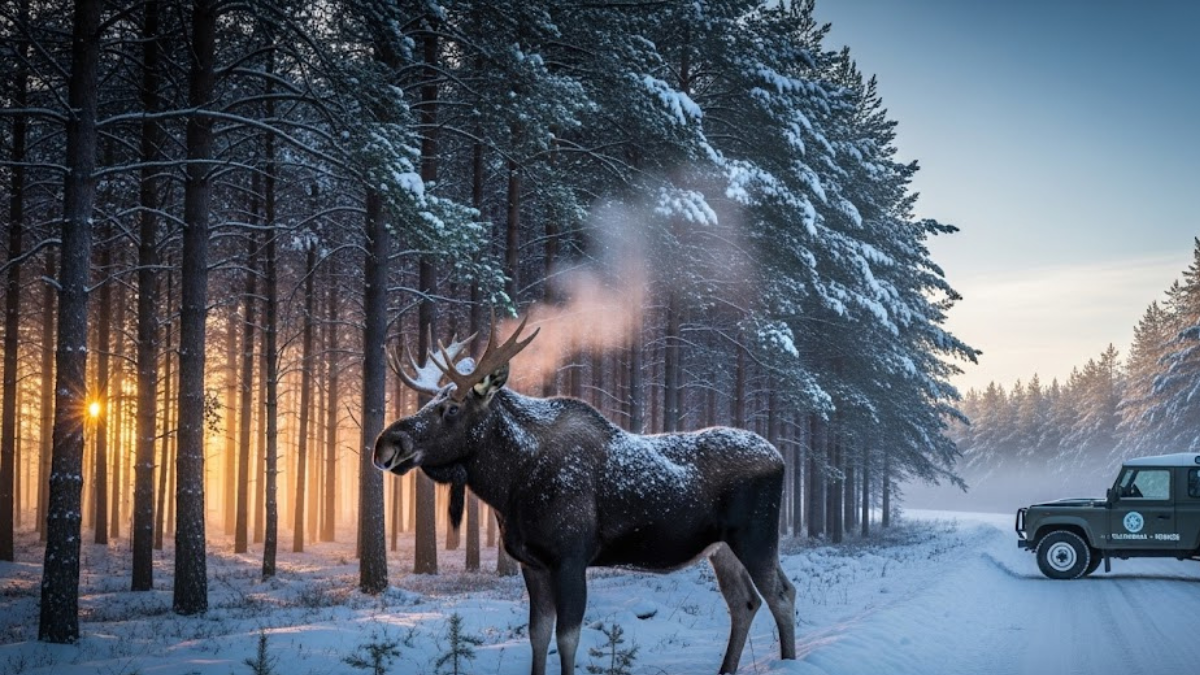
In the vast and rugged landscapes of Norway, the relationship between humans and nature is governed by a delicate balance. At the heart of this balance is viltnemnda, a municipal-level body responsible for the management and welfare of wild animals. Whether it is a majestic moose wandering near a highway or the complex task of setting hunting quotas, the work of the wildlife board is essential for maintaining ecological harmony and public safety.
While many people only hear the name viltnemnda in the context of a car accident involving an animal, their responsibilities extend far beyond emergency response. They are the local experts who translate national conservation laws into practical, local action. In this guide, we will explore the history, duties, and vital importance of these boards in modern Norwegian society.
What is Viltnemnda?
The term viltnemnda (the wildlife board) refers to a committee appointed by a municipality to oversee local wildlife management. Historically, these were standalone committees, but in many modern municipalities, their duties have been integrated into broader technical or environmental committees. Despite organizational changes, the function remains the same: to ensure that the Wildlife Act (Viltloven) is upheld at a local level.
The board consists of individuals with deep knowledge of local fauna, hunting practices, and land management. They serve as the primary link between the municipal administration, the police, and the general public when issues regarding wild game arise.
Core Responsibilities of the Wildlife Board
The work of viltnemnda can be broadly categorized into two main areas: proactive management and reactive emergency response. Both are equally important for the health of the ecosystem and the safety of the community.
1. Game Management and Harvesting Quotas
One of the most significant tasks is the management of “hjortevilt” (deer species), which includes moose, red deer, roe deer, and wild reindeer. The board works with local landowners and hunting associations to determine how many animals can be harvested each year. This is not about the sport of hunting, but about maintaining a sustainable population size that the local environment can support without causing excessive damage to forests or crops.
2. The Fallvilt Emergency Response
Perhaps the most visible role of viltnemnda is the handling of “fallvilt”—animals that are found dead or injured due to non-hunting causes. This most commonly involves traffic accidents. When a driver hits a large animal, the wildlife board is called out to assess the situation. If the animal is wounded and has fled into the woods, the board deploys “ettersøkshunder” (specialized tracking dogs) to locate the animal and end its suffering humanely.
3. Conflict Resolution in Urban Areas
As urban areas expand into natural habitats, conflicts between humans and wildlife increase. Viltnemnda provides advice and sometimes intervention when “nuisance” animals, such as aggressive badgers or bold foxes, cause problems in residential areas. Their goal is always to find a solution that prioritizes animal welfare while ensuring human safety.
The Legal Framework: Viltloven
All activities performed by viltnemnda are grounded in the Norwegian Wildlife Act (Viltloven). This law states a fundamental principle: all wildlife is protected unless the law specifically allows for its harvest or management. This “protection principle” means that the board’s primary mission is the preservation of species.
The board must navigate complex regulations regarding:
- Protection periods: Ensuring animals are not disturbed during breeding seasons.
- Areal management: Protecting the habitats that animals need to survive the harsh Norwegian winters.
- Hunting ethics: Ensuring that all hunting is carried out in a humane and controlled manner.
| Responsibility | Description | Key Objective |
|---|---|---|
| Population Control | Setting annual hunting quotas based on census data. | Ecological balance. |
| Traffic Safety | Collaboration with police and road authorities on wildlife crossings. | Reducing accidents. |
| Welfare Services | Tracking and euthanizing injured wildlife (ettersøk). | Preventing animal suffering. |
| Habitat Protection | Advising on municipal building plans that affect wildlife. | Biodiversity conservation. |
What to Do in Case of a Wildlife Accident
Every driver in Norway should know how to interact with viltnemnda in the event of a collision. It is a legal requirement to report any accident involving wildlife, regardless of whether the animal appears injured or not.
- Secure the Scene: Put on your high-visibility vest and place a warning triangle.
- Call the Police (02800): The police will then notify the local viltnemnda or the “fallviltvakt” (emergency wildlife guard).
- Mark the Location: This is the most crucial step. Use a ribbon, a plastic bag, or a specific “viltbånd” to mark exactly where the collision happened. This allows the tracking dog to find the scent easily.
- Do Not Follow the Animal: If the animal ran away, stay by your car. If you try to follow it, you might destroy the scent trail for the professional trackers.
The Importance of the Ettersøkshund (Tracking Dog)
The success of viltnemnda often relies on four legs rather than two. A certified tracking dog is an essential tool for the board. These dogs undergo rigorous training to follow the “blood trail” or the “scent of stress” left by a wounded animal. In many cases, an animal that looks fine after a collision may have internal injuries; the tracking dog ensures that no animal is left to die a slow, painful death in the wilderness.
Challenges Facing Modern Wildlife Boards
In 2026, the work of viltnemnda is becoming more complex due to several factors:
- Climate Change: Shifting weather patterns affect migration routes and food availability, requiring the board to adjust management plans more frequently.
- Disease Management: The spread of Chronic Wasting Disease (CWD) in some reindeer and moose populations has added a layer of biosecurity to the board’s duties.
- Increased Traffic: As more roads are built and traffic volume increases, the frequency of “fallvilt” cases rises, putting more strain on the volunteers and staff who man the emergency lines.
Frequently Asked Questions
1. Who pays for the services of Viltnemnda? The municipality is responsible for the costs associated with the wildlife board. This includes compensation for the trackers and the maintenance of equipment. Funding often comes from the municipal “viltfond” (wildlife fund), which is partly funded by hunting fees.
2. Is Viltnemnda the same as the Police? No. While they work closely together, viltnemnda are wildlife experts, not law enforcement. The police handle the traffic and legal side of an accident, while the board handles the animal welfare side.
3. Do members of the board work full-time? In most municipalities, members and trackers are not full-time employees. They are often local hunters or nature enthusiasts who are “on-call” (vaktordning) alongside their regular jobs.
4. Can I call Viltnemnda if there is a bird with a broken wing in my garden? While the board primarily focuses on “hjortevilt” (large game), you can contact them for advice. However, smaller animals and birds are sometimes referred to animal welfare organizations or left to nature’s course, depending on the species’ status.
5. Are hunting quotas the same every year? No. Quotas are adjusted annually based on “sett elg” (moose sightings) data, winter survival rates, and the amount of damage reported by local farmers and foresters.
6. What happens to the meat from animals killed in traffic? If the meat is fit for human consumption, it is often sold, and the proceeds go into the municipal wildlife fund. If the animal was sick or the meat was damaged in the collision, it is disposed of safely.
7. Can Viltnemnda decide to kill a predator like a wolf or wolverine? Large predators are usually managed at a regional or national level (Statsforvalteren), not by the municipal viltnemnda. However, the local board may be involved in the practical execution of a “skadefelling” (culling of a specific problem animal) if authorized.
8. Does the board help with winter feeding of deer? In exceptionally harsh winters, viltnemnda may initiate or approve emergency feeding programs to prevent mass starvation, though this is usually a last resort to avoid creating dependency or spreading disease.
9. How do I become a member of the local wildlife board? Members are typically appointed by the municipal council (kommunestyret). If you have a background in biology, hunting, or forestry, you can express your interest to your local political representatives.
10. Do I get a fine for hitting an animal? Not for the accident itself. However, you can be heavily fined or lose your license if you fail to report the accident. Reporting ensures the animal’s welfare is prioritized.
Conclusion
In summary, viltnemnda is an indispensable part of the Norwegian infrastructure. They are the quiet guardians who ensure that even in our modern, fast-paced world, the welfare of our wild neighbors is not forgotten. By managing populations, responding to emergencies, and educating the public, the wildlife board ensures that Norway remains a place where nature and civilization can coexist. The next time you see a “viltfare” (wildlife hazard) sign on the road, remember the dedicated individuals of the local board who are ready to respond at any hour to protect the animals and the people of their community.


