


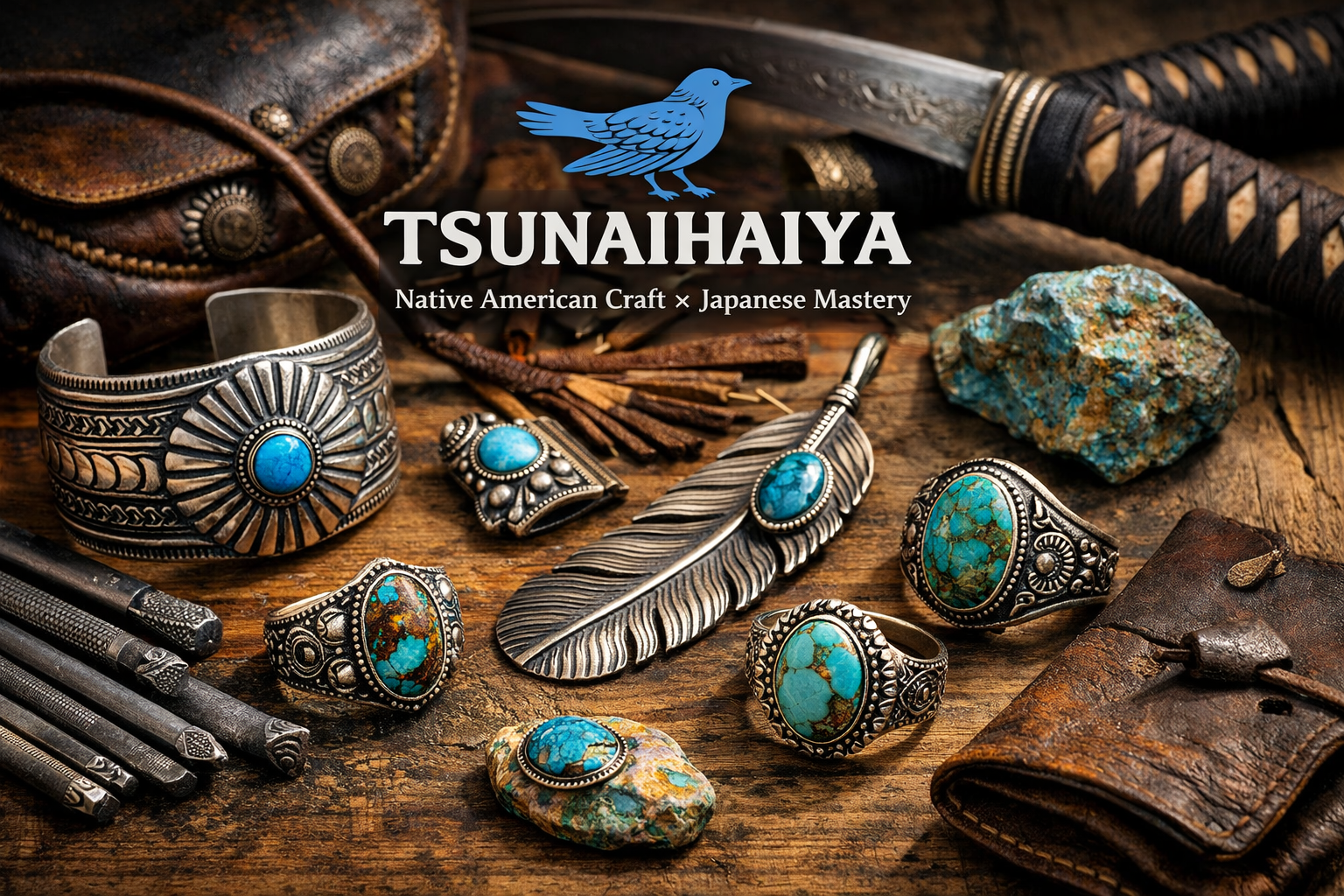
Discover the world of Tsunaihaiya. Learn about the unique blend of Native American techniques and modern Japanese craftsmanship in high-end jewelry design.
also read: https://schedows.com/fontlu/
Introduction
The world of high-end artisanal jewelry is vast, but few names carry the specific weight of cultural fusion and technical mastery like Tsunaihaiya. This brand has carved out a niche that sits at the intersection of traditional Native American silversmithing and contemporary Japanese aesthetic precision. To understand the appeal of these pieces, one must look beyond the surface of the silver and stone and delve into the philosophy of the creator and the history of the techniques employed.
What is Tsunaihaiya?
At its core, Tsunaihaiya is more than just a jewelry label; it is a bridge between two worlds. The name itself is derived from the Apache language, meaning “Blue Bird.” This choice of name reflects the deep respect and connection the brand has with Native American heritage. The jewelry is primarily the work of Japanese artist Yusuke Kuwano, who spent significant time in the United States learning traditional techniques directly from indigenous masters.
The brand is famous for its “native-style” jewelry, which includes intricate stamp work, high-quality turquoise settings, and heavy-gauge silver. However, unlike mass-produced Southwestern jewelry, every piece of Tsunaihaiya is a testament to the “slow fashion” movement, emphasizing quality, durability, and a unique artistic voice that respects the origins of the craft while bringing a modern, refined sensibility.
The Artistic Philosophy Behind the Brand
The philosophy of Tsunaihaiya is rooted in the concept of monozukuri—the Japanese art of making things with a soul. While the techniques are learned from the Navajo and Zuni traditions, the execution carries a Japanese dedication to perfection. This results in jewelry that feels rugged and organic, yet polished and sophisticated.
A Fusion of Two Cultures
The fusion found in Tsunaihaiya works because it doesn’t attempt to “copy” indigenous art for the sake of trend. Instead, it honors the spiritual and technical foundations of silversmithing. Kuwano’s work often features motifs like the sun, birds, and natural landscapes, which are universal symbols but are rendered with a specific weight and texture that has become the brand’s signature.
Key Techniques and Materials Used
One cannot discuss Tsunaihaiya without highlighting the rigorous physical process involved in creating these pieces. The tools used are often handmade, and the process is entirely manual.
1. Traditional Stamp Work
Stamp work is the backbone of the brand’s aesthetic. Using hardened steel stamps, the artist hammers intricate patterns into the silver. Each strike must be precise; too hard, and the silver may crack; too light, and the pattern loses its depth. The patterns often tell a story of the natural world, representing lightning, rain, or mountains.
2. Silver Casting and Forging
The brand predominantly uses high-grade sterling silver. Many pieces are “coin silver” style, which refers to a slightly different alloy content that provides a unique patina over time. The silver is often forged—meaning it is heated and hammered into shape—rather than just cast in a mold. This gives Tsunaihaiya jewelry a density and “hand-feel” that feels much more substantial than standard commercial jewelry.
3. Stone Selection
Turquoise is the primary gemstone featured. The brand is known for sourcing stones from famous American mines, such as:
- Bisbee: Known for its deep blue color and chocolate-colored matrix.
- Kingman: Famous for its bright “sky blue” hues.
- Royston: Prized for its unique green-to-blue gradients.
| Feature | Description |
|---|---|
| Material | .925 Sterling Silver / Coin Silver |
| Primary Stone | Authentic American Turquoise |
| Tooling | Handmade Steel Stamps |
| Finish | High-polish or Antique Patina |
| Origin | Japanese Craftsmanship x Native Techniques |
Popular Collections and Iconic Pieces
Over the years, several items have become staples for collectors of Tsunaihaiya. These pieces are often seen in high-end boutiques across Tokyo and are increasingly popular in European and American markets.
The Feather Series
Feathers are a classic motif in Southwestern jewelry, representing freedom and connection to the divine. In the Tsunaihaiya interpretation, the feathers are incredibly detailed, with each barb of the feather individually carved or stamped. They are often worn as pendants or incorporated into wide cuff bracelets.
The Sunburst Cuffs
These are heavy silver bracelets featuring a central “burst” of lines radiating from a focal point, often a high-grade turquoise cabochon. These cuffs are a favorite among those who appreciate the weight of traditional jewelry combined with the clean lines of modern design.
How to Identify Authentic Tsunaihaiya
As the brand grows in popularity, enthusiasts must be able to distinguish genuine pieces from imitations. Authentic Tsunaihaiya jewelry possesses specific characteristics that are difficult to replicate.
- The Signature Stamp: Every piece is marked with the brand’s hallmark, usually located on the interior of a ring or the back of a pendant.
- Weight and Density: Because the silver is forged and often heavy-gauge, the pieces should feel surprisingly heavy for their size.
- Precision of Stamps: Even though it is handmade, the spacing and depth of the stamp work show a level of mastery. Imitations often have “mushy” or uneven stamp depths.
- Natural Stones: The brand uses genuine turquoise, which will have natural variations and imperfections. Lab-grown or plastic “blocks” are never used.
The Global Impact on Contemporary Fashion
The rise of Tsunaihaiya coincides with a broader global interest in “heritage” styles. Modern consumers are moving away from “fast fashion” and looking for items that have a story, a face, and a legacy.
In Japan, the “Ametora” (American Traditional) subculture has long celebrated American workwear and indigenous crafts. Tsunaihaiya fits perfectly into this world, often being paired with raw denim, leather jackets, and hand-welted boots. However, the elegance of the brand’s more minimalist pieces allows them to be worn even with high-fashion tailoring, making them versatile additions to any wardrobe.
Caring for Your Silver and Turquoise
To ensure your Tsunaihaiya piece lasts a lifetime, proper maintenance is essential. Silver naturally oxidizes when exposed to air and moisture, which creates a dark patina. While many collectors prefer this “aged” look as it highlights the stamp work, others prefer a bright shine.
- Avoid Chemicals: Never wear your jewelry in swimming pools (chlorine) or while using harsh cleaning products.
- Soft Cloth Only: Use a specialized silver polishing cloth rather than liquid dips, which can damage the porous surface of the turquoise.
- Store Dry: Keep your pieces in a cool, dry place, ideally in a felt-lined jewelry box or a small airtight bag.
Frequently Asked Questions
1. Who is the lead designer of the brand? The brand was founded and is primarily led by Yusuke Kuwano, a Japanese artist who studied traditional jewelry making in the American Southwest.
2. Is the jewelry made in the USA or Japan? While the techniques and inspiration are rooted in the United States, the actual production and finishing of the pieces take place in Japan.
3. Does the brand take custom orders? Generally, the brand works through specific retailers and seasonal collections, though high-end boutiques occasionally facilitate special commissions.
4. What does the name “Tsunaihaiya” mean? It is an Apache word that translates to “Blue Bird,” symbolizing peace, transition, and the sky.
5. How does this jewelry differ from traditional Navajo jewelry? While it uses Navajo techniques (like stamp work and sand casting), it often incorporates a Japanese design sense that focuses on thinner profiles or specific geometric balances not always found in traditional pieces.
6. Is the turquoise stabilized or natural? The brand prides itself on using high-quality stones. While some stones are “stabilized” (a common industry practice to make them hard enough to cut), they are always genuine mineral turquoise, never plastic.
7. Can the rings be resized? Due to the intricate stamp work that often goes around the entire band, resizing can be difficult and may interrupt the pattern. It is best to purchase the correct size initially.
8. Where can I buy genuine pieces? They are primarily sold through curated “select shops” in Japan and high-end international heritage retailers.
9. Does the silver tarnish easily? Like all sterling silver, it will tarnish over time. However, the brand’s specific finish often looks better as it develops a patina in the recessed areas of the stamps.
10. Is the brand considered “Native Made”? Technically, it is “Native-inspired” or “Native-style” jewelry made by a Japanese artist. The brand is very transparent about this and frames its work as a cultural homage and technical study.
Conclusion: Why Tsunaihaiya Matters
In an era of mass production, Tsunaihaiya stands as a beacon for those who value the human touch. By merging the spiritual and technical traditions of Native American silversmithing with the disciplined excellence of Japanese craft, the brand offers something truly unique. Whether you are a seasoned collector of silver or a newcomer to the world of artisanal jewelry, a piece from this label represents a commitment to quality, a respect for history, and an appreciation for the beauty of cross-cultural artistry. It is not just jewelry; it is a wearable piece of art that tells a story of the Blue Bird traveling between continents.

