


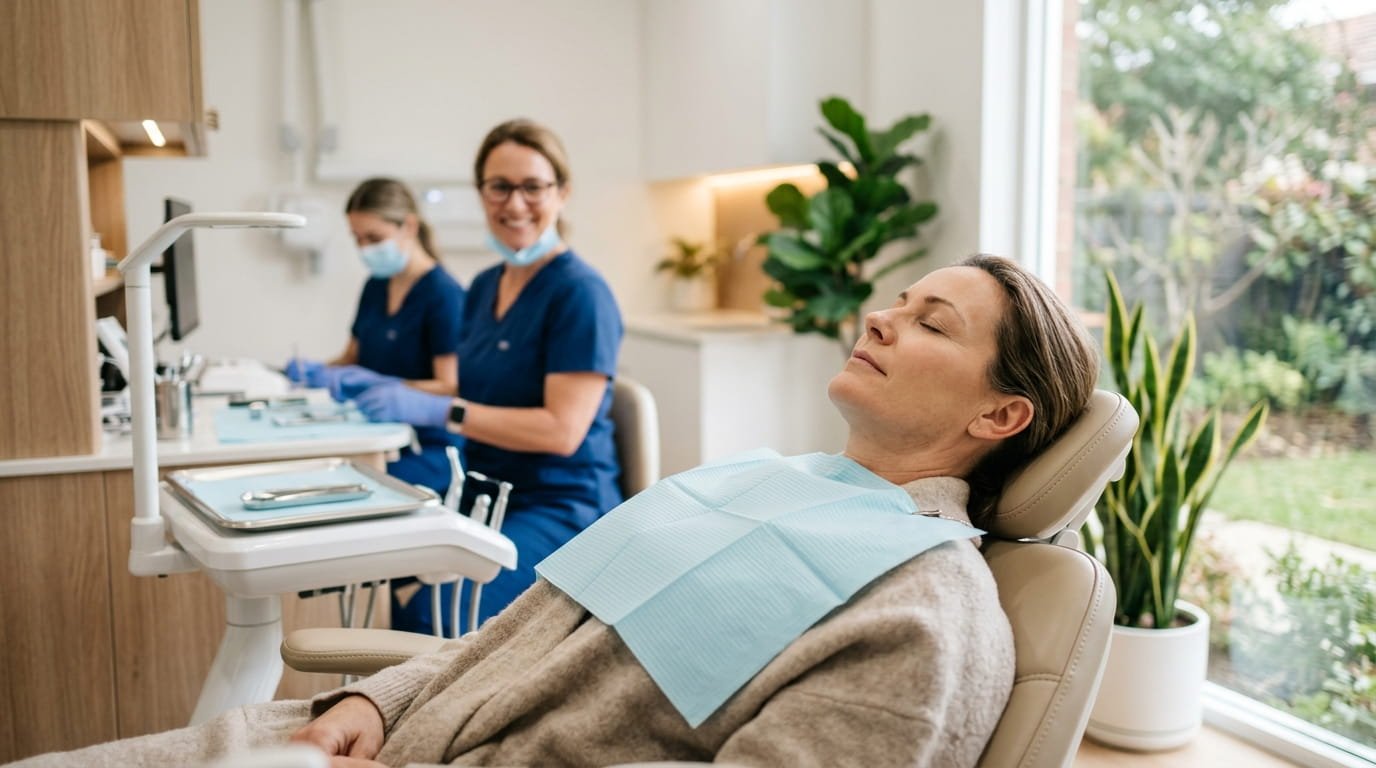
For millions of people worldwide, the mere thought of a dental check-up can trigger a visceral wave of panic. Dental phobia is a deeply entrenched psychological barrier that causes many individuals to avoid necessary oral healthcare for years, often enduring chronic pain and preventable infections rather than sitting in a clinical chair. This avoidance creates a destructive cycle where minor, easily treatable issues escalate into complex dental emergencies requiring extensive procedures. Fortunately, the landscape of modern dentistry is undergoing a significant transformation. The rise of sleep dentistry has emerged as a revolutionary turning point, offering a compassionate pathway for highly anxious individuals to maintain their oral health without the accompanying psychological trauma.
Understanding Dental Anxiety and Its Impact
Dental anxiety is not just a mild case of nerves; it is a complex condition that can stem from traumatic childhood experiences, a fear of pain, or a feeling of helplessness while lying in the treatment chair. In Australia, studies indicate that a substantial percentage of the population experiences some level of dental fear, with a significant minority suffering from severe dental phobia. This fear often manifests physically, causing elevated heart rates, sweating, and even panic attacks at the mere smell of a dental clinic or the sound of a high-speed drill.
When people avoid the dentist, the biological consequences accumulate quickly. Cavities progress into painful root canal infections, and neglected plaque leads to advanced periodontal disease, which is linked to broader systemic health issues like cardiovascular complications, respiratory infections, and poorly managed diabetes. Sleep dentistry addresses the root cause of this avoidance by entirely removing the conscious experience of stress, pain, and sensory triggers from the equation, giving patients a fresh start with their oral hygiene.
What Exactly is Sleep Dentistry?
Also known as sedation dentistry, sleep dentistry involves the administration of sedative medications to help patients relax or remain completely unconscious during their dental procedures. It effectively alters the central nervous system’s response to fear, ensuring that the patient remains calm throughout the session. Depending on the patient’s level of anxiety and the complexity of the treatment, dentists utilise various tiers of sedation:
- Relative Analgesia (Laughing Gas): Inhalation of nitrous oxide mixed with oxygen helps ease minor anxieties, leaving the patient conscious but pleasantly relaxed.
- Intravenous (IV) Sedation: Often referred to as twilight sedation, this method induces a deeply relaxed, dream-like state. While patients can still respond to simple verbal commands, they generally have no memory of the procedure afterward.
- General Anaesthesia: Conducted in a specialised hospital setting or accredited day surgery, this approach renders the patient entirely unconscious for major treatments.
Changing Lives and Restoring Smiles
The practical applications of this practice stretch far beyond simply making fillings less stressful. It allows dental professionals to perform multiple, extensive treatments—such as wisdom teeth extractions, multiple dental implants, and comprehensive root canal therapies—in a single, consolidated appointment. For a phobic patient, this condenses what would normally be months of terrifying visits into a single afternoon of effortless sleep. It also benefits patients with strong gag reflexes or physical disabilities that make sitting still difficult.
The psychological relief this provides is immeasurable. Across Australia, clinics are seeing an influx of individuals who have successfully reclaimed their oral health and self-esteem through these specialised sedation protocols. Hearing about real patient success stories inspired by sleep dentistry solutions underscores just how life-changing it is when individuals transition from living in constant dental pain to smiling with newfound confidence.
Safety Protocols and Clinical Standards
A primary concern for many patients considering sedation is safety. In Australia, sleep dentistry is heavily regulated to ensure the highest standards of clinical care and patient safety. Sedation protocols require specialised equipment, emergency backup systems, and highly trained medical personnel.
During an IV sedation or general anaesthetic procedure, a qualified dental anaesthetist or a separate medical professional is dedicated exclusively to monitoring the patient’s vital signs, including heart rate, blood pressure, electrocardiogram readings, and oxygen saturation. This leaves the operating dentist completely free to focus entirely on performing the dental work efficiently and precisely. Thorough pre-operative assessments ensure that the chosen sedation method is tailored safely to the patient’s medical history, current medications, and physical condition.
A Compassionate Shift in Modern Healthcare
The growing popularity of sleep dentistry reflects a broader, more empathetic shift within the global healthcare industry. Dentists are increasingly recognizing that comprehensive patient care involves managing psychological well-being just as much as treating physical ailments. By creating a clinical environment where fear is validated and actively neutralized, dental professionals are breaking down the historic barriers to treatment.
For anyone who has spent years hiding their smile or living with toothaches due to overwhelming phobia, looking into advanced sedation options offers a highly predictable, stress-free pathway back to health. Ultimately, sleep dentistry serves as a vital, transformative solution for those with dental anxiety, ensuring that fear no longer stands in the way of a healthy, pain-free life.

