


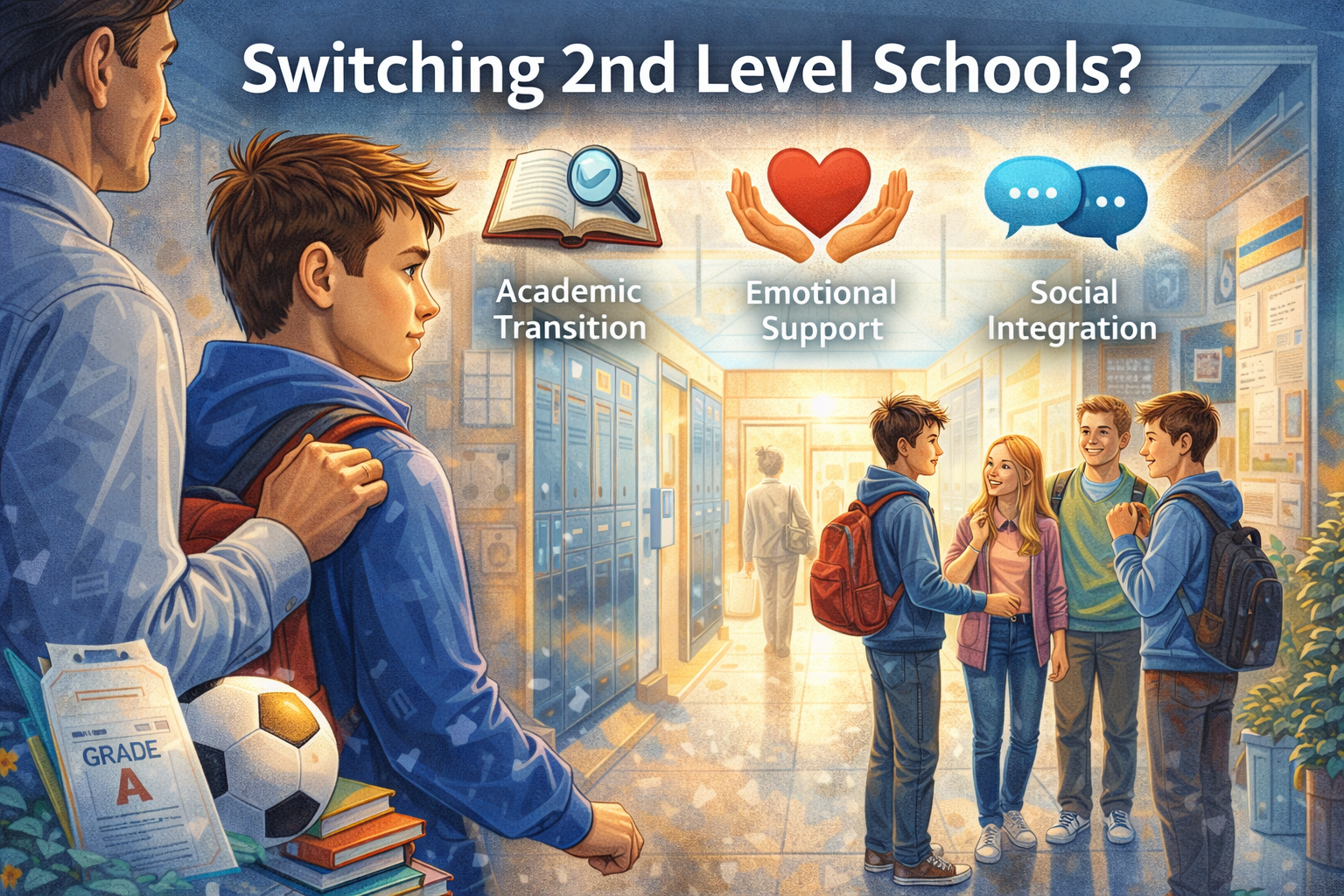
Are you considering switching 2nd level education for your child? Discover expert tips on academic transitions, emotional support, and social integration for a successful move.
also read: https://schedows.com/nueraji-vs-crosbie-prediction/
Introduction
The transition between educational stages is one of the most significant milestones in a young person’s life. While the initial jump from primary to secondary is well-documented, the process of switching 2nd level schools mid-stream—often referred to as a “sideways” move or a mid-cycle transfer—presents its own unique set of challenges and opportunities. Whether the move is prompted by a family relocation, a need for a different academic environment, or social reasons, understanding the landscape of secondary education is vital for a successful outcome.
Understanding the Landscape of Secondary Education
Secondary education, often called “2nd level,” represents the bridge between childhood learning and adult specialization. In this phase, the stakes are higher, the curriculum is broader, and the social dynamics are significantly more complex. When a student is in the process of switching 2nd level environments, they aren’t just changing a building; they are adapting to a new ecosystem of teachers, peer groups, and assessment styles.
This phase of schooling typically focuses on developing critical thinking, independence, and subject-specific expertise. Unlike the primary years, where one teacher often oversees all subjects, the secondary level introduces a departmentalized approach. Students must learn to navigate different teaching styles every hour, which requires a high degree of organizational skill and mental flexibility.
Reasons for Switching 2nd Level Schools
Families decide to change schools for a variety of reasons. Understanding the “why” behind the move can help in selecting the “where” for the next chapter.
- Geographic Relocation: The most common reason for a move is a family relocation due to work or personal circumstances.
- Academic Alignment: A student might find that their current school’s curriculum doesn’t offer the specific subjects or vocational tracks they wish to pursue.
- Special Educational Needs: Sometimes, a different institution offers better support frameworks or facilities for students with specific learning requirements.
- Social Environment: If a student is struggling with bullying or simply hasn’t found their “tribe,” a fresh start can be transformative for their mental health.
- Extracurricular Focus: For students gifted in sports, music, or the arts, switching 2nd level schools to one with a specialized academy can be the key to unlocking their potential.
Preparing for the Academic Shift
The academic transition is often the area parents worry about most. Different schools may follow the same national curriculum, but they often sequence topics differently. A student moving in the middle of a term might find they have already covered “The Romans” but have completely missed “The Industrial Revolution.”
Curriculum Mapping and Gap Analysis
Before the move, it is essential to request a syllabus overview from the new school. Comparing this with the previous school’s progress allows you to identify “learning gaps.”
| Aspect of Move | Potential Challenge | Strategy for Success |
|---|---|---|
| Subject Choice | New school doesn’t offer a specific language or science. | Look for external tutoring or online modules to maintain the credit. |
| Assessment Style | Moving from continuous assessment to exam-based grading. | Practice past papers and timed essays early in the first term. |
| Technology | New school uses a different Virtual Learning Environment (VLE). | Request login details early to navigate the platform before day one. |
Developing Independent Study Habits
Secondary school demands a level of autonomy that can be jarring. When switching 2nd level institutions, the student is essentially a “newcomer” to established routines. Encouraging the use of a physical or digital planner is the first step in mastering this autonomy. Students should be taught how to break down large projects into manageable chunks, ensuring that the pressure of a new environment doesn’t lead to procrastination or burnout.
Managing the Emotional Impact
The psychological weight of being “the new kid” should not be underestimated. Adolescence is a period where peer acceptance is a primary driver of self-esteem. Leaving behind a support network and entering a pre-established social hierarchy requires resilience.
Communication is Key
Open dialogue between parents and students is the most effective tool during this time. It is important to validate the student’s feelings of loss or anxiety while remaining optimistic about the new opportunities. If a student feels heard, they are more likely to approach the new school with a growth mindset rather than a defensive one.
The Role of the School Counselor
Most modern secondary schools have a dedicated guidance counselor or pastoral care team. When switching 2nd level schools, make an appointment with this team within the first two weeks. They can provide a safe space for the student to express frustrations and can often facilitate introductions to peer mentors or “buddies” who can show them the ropes.
Social Integration and Extracurriculars
One of the fastest ways to feel at home in a new school is to get involved in activities outside the classroom. Shared interests act as a social lubricant, breaking down the barriers of being new.
- Join a Club Early: Whether it’s the debate team, a coding club, or the choir, joining in the first week provides a structured social setting.
- Sports Teams: Physical activity is a great stress reliever, and being part of a team fosters a sense of belonging and loyalty.
- Volunteer Opportunities: Engaging in school-wide charity events or student council can help a new student become a visible and valued member of the community quickly.
Practical Logistics: The “Checklist” for Moving
The “hidden” logistics of switching 2nd level schools can often cause the most daily friction if not handled correctly.
- Uniforms and Dress Codes: Ensure the uniform is purchased and fits well. Feeling out of place physically can increase social anxiety.
- Transport Routes: Do a “dry run” of the commute. Whether it’s a bus, train, or carpool, knowing the timing prevents first-day panic.
- Lunch Systems: Does the school use a cashless system? How do students top up their accounts? Knowing how to get fed is a basic but vital comfort.
- Locker Management: Find out if lockers are provided and what kind of lock is needed. Managing heavy books is a major part of the secondary school experience.
Supporting the Student at Home
While the school handles the hours from 9 to 3, the home environment provides the foundation for a successful transition. Creating a “decompression zone” where the student can relax without immediate pressure to discuss their day can be helpful.
Consistency in routines—such as regular mealtimes and a steady sleep schedule—provides a sense of stability when other areas of life are in flux. Furthermore, parents should stay informed but not overbearing. Monitoring the school’s parent portal or newsletter allows you to prompt the student about upcoming events without appearing to “interrogate” them.
Monitoring Progress: The First 90 Days
The first three months are the “probationary period” for any school move. It is normal for grades to dip slightly as the student adjusts to new teaching methods. However, keep an eye out for signs of prolonged distress, such as school avoidance, changes in eating habits, or a total withdrawal from previously enjoyed hobbies.
Successful switching 2nd level education isn’t defined by a perfect first week, but by a student who, after three months, feels confident navigating the hallways, understands their homework load, and has at least one or two reliable friends.
Frequently Asked Questions
1. Can I switch schools in the middle of an exam year? While possible, it is generally discouraged unless necessary. If you must move, ensure the new school uses the same exam board for all subjects to avoid losing coursework marks.
2. How do I transfer my child’s school records? Most schools handle this “B2B” (business to business). You usually need to sign a release form, and the administrative office will send transcripts, attendance records, and behavioral reports directly.
3. What if the new school is “ahead” in the curriculum? Speak with the subject teachers immediately. They may provide catch-up materials or suggest specific chapters for the student to read over a weekend to get up to speed.
4. Will my child lose their friends from the old school? In the digital age, maintaining old friendships is easier than ever. However, encourage a balance; they should stay in touch with old friends while prioritizing making new ones in their immediate environment.
5. How can I help a shy child with the move? Focus on small-group activities. Rather than a large sports team, a smaller club like “Art” or “Library Helpers” can feel less overwhelming for an introverted student.
6. Are there fees associated with switching 2nd level schools? In the public sector, there are usually no “transfer fees,” but you will incur costs for new uniforms, books, and potentially specialized equipment like calculators or lab coats.
7. Can a school refuse my application for a transfer? Schools can refuse based on “capacity” (no physical space in that year group). If a school is full, you may have to look at your second or third choice or join a waiting list.
8. How long does the “settling in” period usually take? Experts suggest that most students take between 6 and 12 weeks to feel fully adjusted to the social and academic rhythms of a new secondary school.
9. Should I tell the new school the real reason we left the old one? Transparency is usually best, especially if it relates to learning support or bullying. It allows the new school to put the right protections and supports in place from day one.
10. What if the move isn’t working out after six months? If the student remains deeply unhappy or their grades are plummeting despite support, it may be worth re-evaluating. Sometimes a different environment or a different type of school (e.g., smaller vs. larger) is needed.
Conclusion
Switching 2nd level schools is a complex journey that requires a blend of practical planning, academic oversight, and emotional empathy. By treating the move as an opportunity for growth rather than just a logistical hurdle, you empower the student to develop resilience and adaptability—skills that are just as important as the subjects they learn in the classroom. With the right support system, a clear understanding of the curriculum, and a proactive approach to social integration, any student can thrive in their new educational home. Summarily, preparation is the key: map the curriculum, support the heart, and the mind will follow.

