









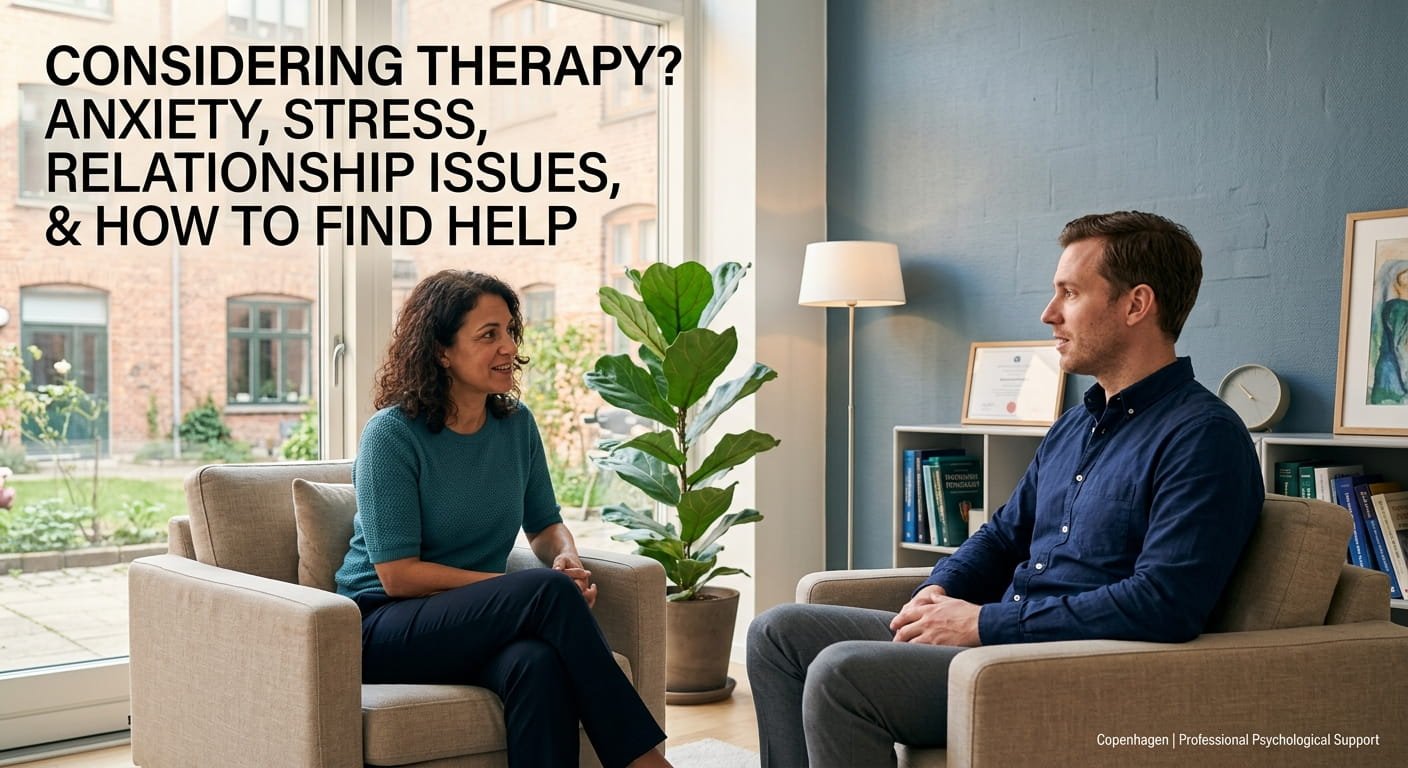
Why do some stressful situations feel difficult to manage even after they have passed? Why can worries continue to affect daily life, sleep, work, or relationships? Anxiety and stress are common experiences, but when they become persistent, they can have a noticeable impact on emotional well-being and everyday routines.
Therapy can provide a professional and confidential environment where people can explore these concerns, understand recurring patterns, and learn healthier ways to respond to difficult situations. For individuals looking for psychological support in Copenhagen, Guido Cataldo Psychology can be a relevant option for exploring professional support related to personal, emotional, and relationship challenges.
What Is the Difference Between Stress and Anxiety?
Stress is often connected to a specific situation or demand. A busy schedule, workplace responsibility, financial concern, or major life change can create temporary pressure. Once the situation improves, the feeling of stress may also decrease.
Anxiety can be different because worry may continue even when there is no immediate problem. Some people may constantly think about possible negative outcomes or find it difficult to relax. Understanding these differences can make it easier to recognize when additional support may be helpful.
How Can Ongoing Stress Affect Daily Life?
Stress does not always appear as an obvious emotional reaction. It can influence concentration, sleep, motivation, mood, and communication with other people. Someone experiencing prolonged stress may feel mentally exhausted even when they have not completed physically demanding tasks.
These effects can gradually influence professional responsibilities and personal relationships. Recognizing changes in behavior or mood is therefore an important part of taking emotional well-being seriously.
How Can Therapy Help With Anxiety?
Therapy can help people examine the thoughts, situations, and patterns that may contribute to anxiety. Instead of simply trying to ignore uncomfortable feelings, a person can learn to understand them and consider different ways of responding.
A psychologist may use different therapeutic approaches depending on the individual’s concerns and goals. Sessions can provide an opportunity to discuss worries openly, identify recurring patterns, and work toward practical changes that fit the person’s circumstances.
Can Therapy Improve the Way People Handle Stress?
Learning to manage stress does not mean eliminating every stressful situation. Everyday responsibilities will always exist, but people can develop healthier ways to respond to pressure.
Therapy may help individuals recognize unhelpful thought patterns, establish healthier boundaries, improve communication, and become more aware of emotional reactions. These skills can be useful when dealing with workplace pressure, personal changes, family responsibilities, or other challenging circumstances.
Can Stress Affect Romantic Relationships?
Stress can influence the way partners communicate with each other. When someone feels overwhelmed, they may become less patient, withdraw from conversations, or react more strongly to minor disagreements.
Over time, these patterns can create distance between partners. Open communication can help, but some couples may benefit from professional guidance when the same conflicts continue without resolution.
When Can Couples Consider Therapy?
Couples do not have to wait until a relationship reaches a serious crisis before seeking professional support. Therapy can be considered when partners experience repeated communication problems, unresolved disagreements, trust concerns, or difficulty adjusting to major changes.
A professional setting can give both partners space to express their perspectives and better understand each other’s concerns. The process can focus on communication, emotional awareness, and developing healthier ways to handle disagreements.
What Should You Look for in a Psychologist?
Choosing a psychologist is a personal decision. People may consider factors such as professional experience, areas of focus, therapeutic approach, location, language, and their own level of comfort during initial conversations.
Feeling comfortable enough to discuss personal experiences is an important part of therapy. It is reasonable to ask questions about how sessions work and what type of support may be appropriate before beginning the process.
Can Small Lifestyle Changes Support Emotional Well-Being?
Professional therapy can be supported by healthy everyday habits. Regular sleep, physical activity, meaningful social connections, breaks from demanding activities, and time for hobbies can contribute to overall well-being.
It can also be useful to identify situations that repeatedly increase stress. Keeping notes about emotions, thoughts, or stressful events may help a person recognize patterns that can later be discussed with a psychologist.
Why Is Asking for Professional Support Important?
Seeking therapy is not a sign that someone is unable to handle life. People seek psychological support for many reasons, including anxiety, stress, relationship difficulties, personal changes, and a desire to understand themselves better.
Professional support can offer a structured environment for exploring these experiences. Getting help earlier can also provide an opportunity to address concerns before they begin to interfere more significantly with everyday life.
Final Thoughts
So, how can therapy help with anxiety, stress, and relationship challenges? It can provide a safe space to understand difficult experiences, recognize unhelpful patterns, improve communication, and explore healthier ways of responding to everyday challenges.
Everyone’s situation is different, and there is no single approach that works for everyone. For people experiencing ongoing emotional or relationship difficulties, speaking with a qualified psychology professional can be a constructive step toward better understanding their concerns and working toward positive change.


