


Heart disease is one of the leading causes of death worldwide, yet many people fail to recognize its early warning signs. Detecting symptoms early can be life-saving, as timely medical intervention can prevent serious complications such as heart attacks, stroke, or heart failure. Awareness of subtle symptoms and risk factors is key to protecting your cardiovascular health.
Even if you feel generally healthy, paying attention to your body and lifestyle is essential for preventing heart-related problems.
Chest Discomfort or Pain
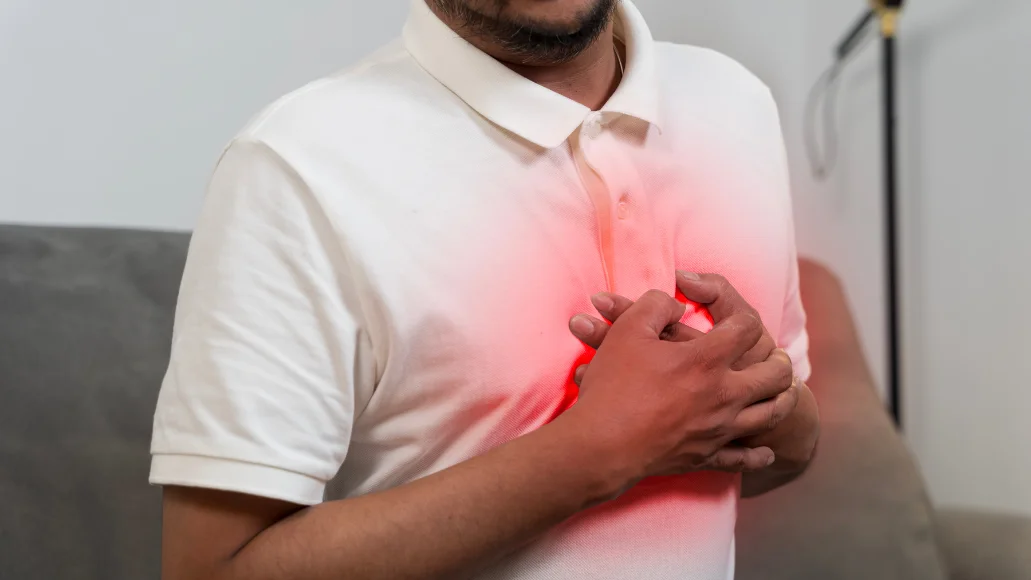
Chest pain, pressure, or discomfort is the most common symptom of heart disease. It may feel like tightness, heaviness, or squeezing. While severe chest pain requires immediate medical attention, even mild, recurrent discomfort should not be ignored, as it could indicate underlying heart issues.
Shortness of Breath
Feeling unusually short of breath during routine activities, exercise, or even at rest can be a sign of heart disease. Reduced blood flow from a weakened heart or clogged arteries can make it harder for the body to get enough oxygen.
Fatigue and Weakness
Persistent fatigue or lack of energy can be an early indicator of heart problems. When the heart is unable to pump efficiently, it reduces oxygen supply to tissues, causing weakness and prolonged tiredness, even with minimal physical activity.
Palpitations or Irregular Heartbeat
Experiencing a racing, fluttering, or irregular heartbeat may signal arrhythmias or other heart conditions. While occasional palpitations may be harmless, frequent episodes should be evaluated by a healthcare professional.
Swelling in Legs, Ankles, or Feet
Fluid retention, especially in the lower extremities, can indicate heart failure. Swelling occurs when the heart is unable to pump blood effectively, causing fluid buildup in tissues.
Dizziness or Lightheadedness
Frequent dizziness, fainting, or lightheadedness may result from reduced blood flow to the brain. These symptoms can indicate heart rhythm problems, heart valve issues, or other cardiovascular conditions.
Pain in Other Areas
Heart-related discomfort may radiate to areas such as the shoulders, arms, neck, jaw, or back. These symptoms are particularly common in women, who may not experience classic chest pain during heart attacks.
Risk Factors to Monitor
Understanding your personal risk factors can help you take preventive action. Common risk factors include:
- High blood pressure
- High cholesterol
- Diabetes
- Smoking
- Obesity or sedentary lifestyle
- Family history of heart disease
Managing these factors through lifestyle changes and medical supervision reduces your chances of developing heart disease.
When to Seek Medical Attention
Seek immediate medical help if you experience severe chest pain, shortness of breath, fainting, or sudden swelling. Early evaluation can save lives and prevent serious complications.
Regular checkups, blood pressure monitoring, cholesterol testing, and lifestyle management are essential for maintaining heart health.
Conclusion
Early symptoms of heart disease can be subtle, including chest discomfort, shortness of breath, fatigue, palpitations, swelling, dizziness, and radiating pain. Recognizing these signs and understanding your risk factors allows for timely intervention.
Prioritizing heart health through lifestyle changes, regular screenings, and prompt medical attention can significantly reduce the risk of severe cardiovascular events and ensure a healthier life.

