


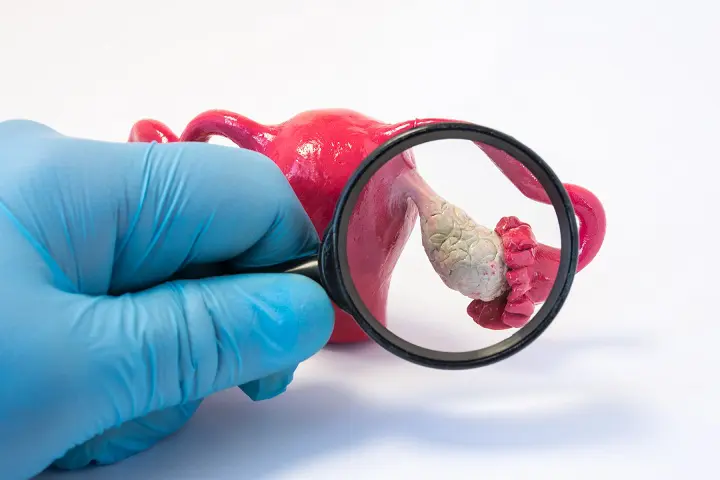
Women’s reproductive health is an essential part of overall well-being. Many gynecological problems can affect women at different stages of life, from adolescence to menopause. Early detection of these issues is crucial for effective treatment and long-term health. Understanding common gynecological problems and recognizing their early symptoms allows women to seek timely medical care and prevent complications.
Regular gynecological checkups combined with awareness of warning signs are key to maintaining reproductive health.
Menstrual Disorders
Menstrual problems are among the most common gynecological issues. They include irregular periods, heavy bleeding (menorrhagia), painful periods (dysmenorrhea), and missed periods (amenorrhea).
Early Symptoms:
- Unusually heavy or prolonged bleeding
- Severe cramps that interfere with daily life
- Skipped or irregular periods
Identifying these symptoms early can help diagnose conditions such as hormonal imbalances, polycystic ovary syndrome (PCOS), or uterine fibroids.
Polycystic Ovary Syndrome (PCOS)
PCOS is a hormonal disorder affecting women of reproductive age. It can lead to irregular periods, excess hair growth, acne, and weight gain. PCOS is also a leading cause of infertility.
Early Symptoms:
- Irregular or absent periods
- Unexplained weight gain or difficulty losing weight
- Excessive hair growth on face and body
- Severe acne
Early diagnosis and lifestyle management can reduce long-term risks like diabetes and heart disease.
Vaginal Infections
Vaginal infections, such as yeast infections, bacterial vaginosis, and sexually transmitted infections (STIs), are common. They occur due to imbalances in vaginal flora or exposure to harmful bacteria and viruses.
Early Symptoms:
- Unusual discharge with odor or color changes
- Itching, burning, or irritation
- Pain during urination or sexual activity
Prompt treatment prevents complications and maintains vaginal health.
Uterine Fibroids
Fibroids are noncancerous growths in the uterus that can cause discomfort and reproductive issues. They are common in women of childbearing age.
Early Symptoms:
- Heavy menstrual bleeding
- Pelvic pain or pressure
- Frequent urination
- Pain during intercourse
Early detection through regular gynecological exams allows for effective management.
Endometriosis
Endometriosis occurs when tissue similar to the uterine lining grows outside the uterus. This condition can lead to chronic pelvic pain and fertility problems.
Early Symptoms:
- Painful periods
- Pain during sexual activity
- Heavy menstrual bleeding
- Chronic lower back or pelvic pain
Timely diagnosis helps manage symptoms and preserve fertility.
Ovarian Cysts
Ovarian cysts are fluid-filled sacs that develop on the ovaries. While many cysts are harmless, some may cause discomfort or complications if they grow large.
Early Symptoms:
- Pelvic pain or bloating
- Pain during bowel movements or urination
- Irregular menstrual cycles
Routine gynecological scans help detect cysts early and prevent complications.
Importance of Regular Gynecological Checkups
Regular checkups, including pelvic exams, Pap smears, and ultrasound screenings, are vital for early detection of gynecological problems. Preventive care allows timely treatment and reduces the risk of long-term complications, including infertility and cancer.
Conclusion
Being aware of common gynecological problems and their early symptoms empowers women to take control of their reproductive health. Menstrual disorders, PCOS, infections, fibroids, endometriosis, and ovarian cysts are all manageable when detected early.
Regular gynecological visits, healthy lifestyle choices, and prompt attention to unusual symptoms are essential for maintaining lifelong reproductive wellness.

