









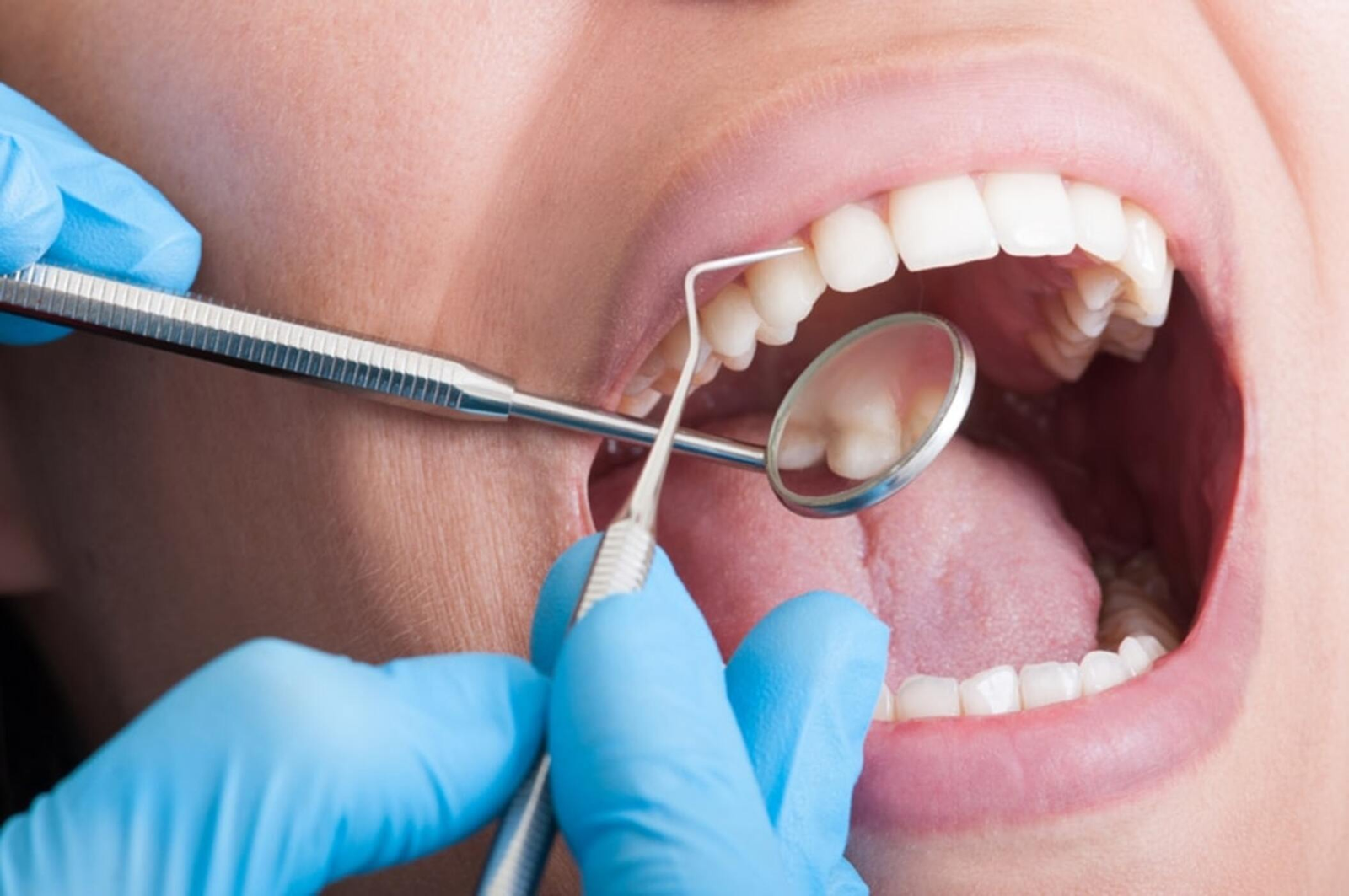
Tooth sensitivity is a common dental issue that affects millions of people worldwide. It causes discomfort or sharp pain in response to hot, cold, sweet, or acidic foods and beverages. Sensitivity can range from mild irritation to intense discomfort, and it often affects daily activities such as eating, drinking, or even brushing teeth.
Understanding the causes and available treatment options is crucial for managing sensitivity and maintaining oral health.
Common Causes of Tooth Sensitivity
Enamel Erosion
Enamel is the protective outer layer of the tooth. Over time, it can wear down due to acidic foods, aggressive brushing, or teeth grinding. When enamel thins, the underlying dentin becomes exposed, causing sensitivity.
Gum Recession
Gum recession exposes the roots of teeth, which lack enamel and are more sensitive. This can result from gum disease, aging, or improper brushing techniques.
Tooth Decay or Cavities
Cavities and tooth decay can lead to nerve exposure, causing sharp pain when teeth are exposed to temperature changes or sugary foods.
Cracked or Damaged Teeth
Cracks, chips, or worn fillings can expose the inner layers of the tooth, resulting in heightened sensitivity.
Dental Procedures
Recent dental work, such as fillings, cleanings, or whitening treatments, may temporarily increase sensitivity.
Home Remedies for Tooth Sensitivity
Use Desensitizing Toothpaste
Special toothpaste for sensitive teeth contains compounds that block transmission of pain signals from the tooth surface to the nerve. Consistent use over several weeks can reduce discomfort.
Gentle Brushing
Use a soft-bristled toothbrush and avoid aggressive brushing to prevent enamel wear and gum recession. Brush in gentle, circular motions.
Avoid Acidic Foods and Drinks
Limit intake of citrus fruits, soda, coffee, and vinegar-based foods, as they can erode enamel and worsen sensitivity. Rinse your mouth with water after consuming acidic items.
Fluoride Treatments
Fluoride strengthens enamel and reduces sensitivity. Applying fluoride toothpaste or rinses can help remineralize weakened areas.
Professional Dental Treatments
Dental Bonding or Sealants
For exposed roots or enamel loss, dentists may apply bonding agents or sealants to protect the tooth surface and reduce sensitivity.
Root Canal Therapy
Severe sensitivity caused by deep decay or nerve damage may require root canal treatment to remove affected tissue and relieve pain.
Gum Grafting
In cases of gum recession, a gum graft may cover exposed roots, protecting teeth and reducing sensitivity.
Lifestyle Habits to Prevent Sensitivity
- Avoid teeth grinding (use a night guard if necessary)
- Maintain proper oral hygiene
- Schedule regular dental checkups
- Limit excessive whitening treatments
Conclusion
Tooth sensitivity can be caused by enamel erosion, gum recession, cavities, cracks, or recent dental work. Effective treatment options include desensitizing toothpaste, gentle brushing, fluoride applications, and professional dental procedures such as bonding or root canals.
Early attention and proper oral care can help manage discomfort and prevent further dental problems. Maintaining good habits and consulting a dentist ensures long-term oral health and a pain-free smile.


