


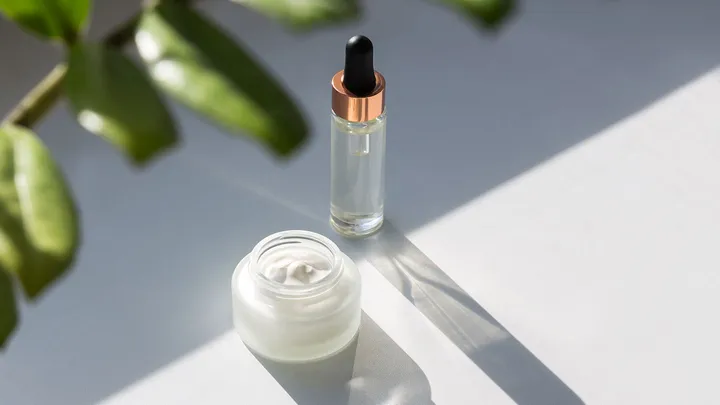
As we age, our skin naturally begins to lose collagen, elasticity, and moisture. Fine lines, wrinkles, dark spots, and uneven texture are common signs of aging. While aging is a natural process, using the right skincare ingredients can help slow visible signs and maintain healthy, youthful-looking skin. Dermatologists often recommend specific ingredients that are scientifically proven to improve skin texture, boost collagen production, and protect against environmental damage.
Understanding these key anti-aging ingredients can help you choose products that truly work instead of wasting money on ineffective solutions.
Retinol – The Gold Standard for Anti-Aging
Retinol, a form of Vitamin A, is one of the most recommended anti-aging ingredients. It works by increasing cell turnover and stimulating collagen production. This helps reduce fine lines, wrinkles, and acne while improving overall skin texture.
Regular use of retinol can make skin appear smoother and firmer. However, beginners should start with a low concentration and use it at night, as it can increase sensitivity to sunlight. Always apply sunscreen during the day when using retinol-based products.
Vitamin C – Brightening and Protection
Vitamin C is a powerful antioxidant that protects the skin from free radical damage caused by sun exposure and pollution. It also helps brighten the complexion and reduce dark spots and hyperpigmentation.
By boosting collagen production, Vitamin C improves skin firmness and reduces fine lines. For best results, apply a Vitamin C serum in the morning before sunscreen to enhance protection against environmental stressors.
Hyaluronic Acid – Deep Hydration
Hyaluronic acid is known for its incredible ability to retain moisture. It can hold up to 1,000 times its weight in water, making it one of the most effective hydrating ingredients available.
As skin ages, it tends to become drier and thinner. Hyaluronic acid helps plump the skin, reducing the appearance of fine lines and giving a smoother look. It works well for all skin types, including oily and sensitive skin.
Niacinamide – Multi-Benefit Ingredient
Niacinamide, also known as Vitamin B3, is a versatile skincare ingredient. It helps improve skin elasticity, strengthen the skin barrier, reduce redness, and minimize enlarged pores.
It is particularly useful for individuals dealing with both aging and acne concerns. Niacinamide can be used daily and pairs well with most other skincare ingredients.
Peptides – Collagen Boosters
Peptides are short chains of amino acids that help build proteins like collagen and elastin in the skin. As collagen levels decrease with age, peptides signal the skin to produce more, helping to maintain firmness and reduce sagging.
Skincare products containing peptides can improve skin texture over time and support long-term anti-aging goals.
Sunscreen – The Most Important Anti-Aging Product
No anti-aging routine is complete without sunscreen. Daily sun exposure is one of the main causes of premature aging, including wrinkles and dark spots. Dermatologists strongly recommend using a broad-spectrum sunscreen with at least SPF 30 every day.
Consistent sunscreen use prevents further damage and protects the effectiveness of other anti-aging products.
How to Build an Effective Anti-Aging Routine
A simple anti-aging routine may include:
- Gentle cleanser
- Vitamin C serum (morning)
- Moisturizer with hyaluronic acid
- Sunscreen (morning)
- Retinol (night)
Consistency and patience are essential, as visible improvements often take several weeks to appear.
Conclusion
The best anti-aging skincare ingredients recommended by dermatologists include retinol, Vitamin C, hyaluronic acid, niacinamide, peptides, and sunscreen. Each ingredient plays a unique role in improving skin health and reducing visible signs of aging.
By choosing scientifically backed ingredients and maintaining a consistent routine, you can support healthier, smoother, and more youthful-looking skin over time.

