


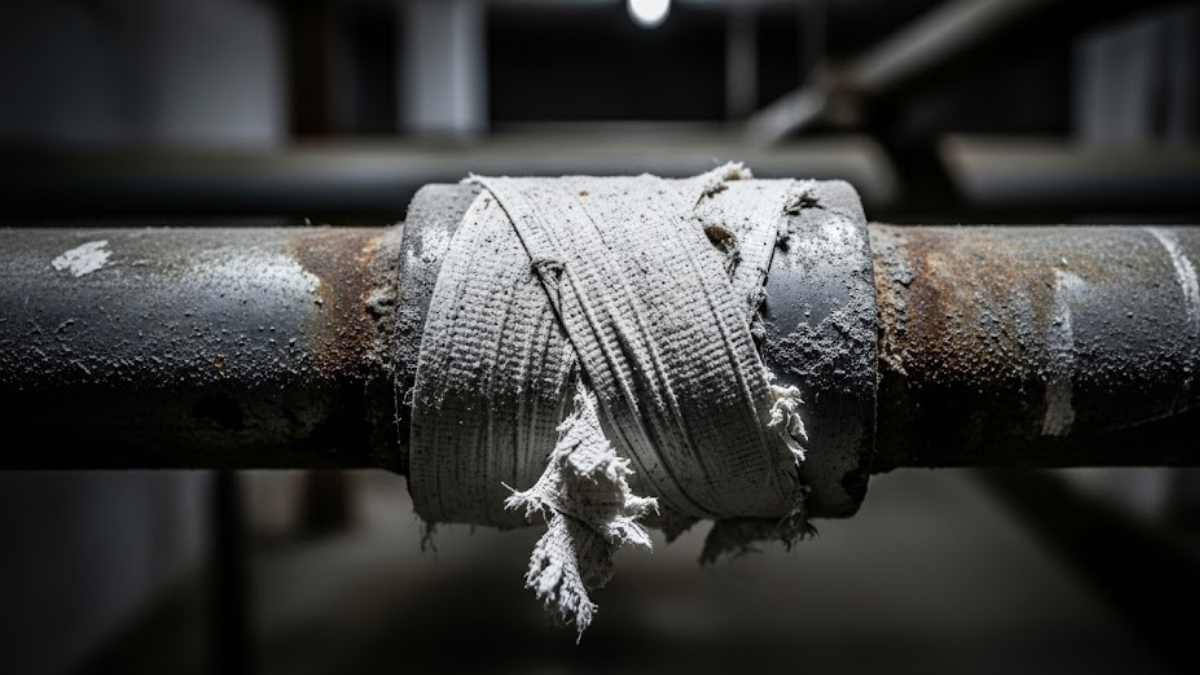
Learn everything about asbestlint. Discover where this hazardous asbestos tape was used, how to identify it, the health risks involved, and legal removal protocols.
also read: https://schedows.com/serlig/
Introduction
In the history of construction and industrial manufacturing, few materials have transitioned from “miracle mineral” to “silent killer” as dramatically as asbestos. Among the various forms this mineral took, asbestlint—often referred to as asbestos tape, lint, or ribbon—remains one of the most common yet overlooked hazards in older buildings. Primarily used for its exceptional heat resistance and insulating properties, this textile-like material can be found wrapping pipes, sealing furnace joints, and lining electrical panels in structures built before the late 1980s.
Understanding the nature of asbestlint is crucial for homeowners, renovators, and DIY enthusiasts. Unlike rigid asbestos cement sheets, lint is often “friable,” meaning it can easily be crumbled or reduced to powder by hand pressure. This characteristic makes it significantly more dangerous, as it can release microscopic fibers into the air at the slightest disturbance. In this guide, we will explore the technical details of this material, where it hides, and the strictly regulated procedures for dealing with it safely.
What Exactly is Asbestlint?
The term asbestlint generally refers to a woven or felted tape made from high concentrations of asbestos fibers. In most cases, these tapes were composed of chrysotile (white asbestos), though amosite (brown asbestos) was occasionally used for higher-temperature industrial applications. The material looks remarkably like modern fiberglass or heavy cotton tape, often appearing white, off-white, or gray.
Because it was designed to be flexible, asbestlint was frequently used to “bandage” joints in heating systems. It was often coated with a refractory adhesive or plaster-like substance to hold it in place. Over decades, however, these adhesives can dry out and fail, leaving the raw asbestos fibers exposed and ready to become airborne.
Common Locations and Applications
If you are living in or working on a building constructed between 1920 and 1990, the probability of encountering asbestlint is notably high. It was a standard component in HVAC (Heating, Ventilation, and Air Conditioning) systems. Contractors favored it because it could easily conform to the irregular shapes of pipe elbows and duct connectors.
- Hot Water Pipes: Often used as a wrap around joints or as a full insulation sleeve for small-diameter pipes.
- Furnace Ducts: Sealing the gaps where metal ductwork connects to the furnace unit.
- Electrical Insulation: Found inside old fuse boxes or as a wrap for high-voltage wiring in industrial settings.
- Household Appliances: Older toasters, hair dryers, and ovens often utilized small strips of asbestlint as internal thermal barriers.
The Health Risks of Asbestlint Exposure
The danger of asbestlint lies in its microscopic fibers. These fibers are so small that they can remain suspended in the air for hours or even days. When inhaled, they travel deep into the lungs, where the body has no effective way to remove or break them down.
Over time, these trapped fibers cause inflammation and scarring. This process can lead to several severe, and often fatal, conditions. It is important to note that symptoms of asbestos-related diseases often do not appear until 20 to 50 years after the initial exposure.
- Asbestosis: A chronic lung disease characterized by scarring of lung tissue, leading to severe shortness of breath.
- Mesothelioma: A rare and aggressive form of cancer that affects the lining of the lungs (pleura) or the abdomen, almost exclusively caused by asbestos exposure.
- Lung Cancer: While smokers are at higher risk, asbestos exposure significantly increases the likelihood of developing malignant tumors in the lung tissue.
| Property | Asbestlint (Asbestos Tape) | Modern Fiberglass Tape |
|---|---|---|
| Material | Mineral fibers (Chrysotile/Amosite) | Glass fibers |
| Friability | High (Easily crumbles) | Low (Non-respirable fibers) |
| Appearance | Dull, chalky white or gray | Shiny, translucent or yellow |
| Age | Pre-1990 constructions | Post-1990 / Modern |
| Health Risk | Extremely high if disturbed | Low (Skin/eye irritant) |
Identification: How to Spot Asbestlint
Identifying asbestlint with the naked eye is notoriously difficult because it looks so similar to harmless materials like cotton or fiberglass. However, there are some “telltale” signs that should trigger immediate caution.
If you see a white, woven tape wrapped around a pipe that looks like a dirty bandage, and it appears to be crumbling or shedding “dust,” you should assume it is asbestlint until proven otherwise. In many cases, the tape was painted over, but as the paint cracks, the fibrous texture beneath becomes visible. The only definitive way to confirm the presence of asbestos is through laboratory testing of a small sample, which must be collected by a certified professional.
The Legal and Safety Protocols for Removal
In many jurisdictions, the removal of asbestlint is strictly regulated. Because the material is friable, it is generally illegal for an unlicensed homeowner to remove it themselves if the amount exceeds a very small threshold. Professional abatement is the standard for a reason: it prevents the contamination of the entire home.
The Abatement Process
When a professional team removes asbestlint, they follow a rigorous protocol designed to contain the fibers. This usually includes:
- Containment: Sealing off the work area with heavy plastic sheeting and using “negative air” machines equipped with HEPA filters to ensure no dust escapes.
- Wet Methods: Spraying the lint with “amended water” (water mixed with a wetting agent) to keep fibers heavy and prevent them from becoming airborne.
- PPE: Technicians wear full-body suits and P100 respirators.
- Proper Disposal: The material is double-bagged in specifically labeled hazardous waste bags and transported to a landfill authorized to accept asbestos.
Encapsulation: An Alternative to Removal
If the asbestlint is in good condition and located in an area where it won’t be disturbed, a professional might recommend “encapsulation” rather than removal. This involves coating the material with a specialized sealant that hardens into a protective shell, locking the fibers in place. This is often a more cost-effective solution, provided the material is not in a high-traffic area or a place prone to vibration.
Frequently Asked Questions
1. Can I just paint over asbestlint to make it safe? Standard house paint is not a certified encapsulant. While it may temporarily hold fibers, it can crack or peel. You should use a professional-grade asbestos encapsulant designed to remain flexible and durable.
2. I accidentally touched some asbestlint. Am I in danger? Skin contact is not the primary danger; inhalation is. If you touched it and didn’t create dust, the risk is minimal. However, wash your clothes separately and do not disturb the area further.
3. Does all white tape on old pipes contain asbestos? Not all, but a significant portion of white pipe tape from the mid-20th century does. It is safer to assume it is asbestlint until a lab test confirms it is fiberglass or cotton.
4. How much does professional asbestlint removal cost? Costs vary based on the amount and accessibility. A small project might cost $500, while a full basement of pipe-wrap removal can exceed $3,000.
5. Is asbestlint dangerous if it is behind a wall? If the material is “dormant” behind a sealed wall and not being disturbed by airflow or vibration, it poses little immediate risk. The danger arises during demolition or renovations.
6. Can I use a vacuum cleaner to clean up asbestlint dust? NEVER use a standard household vacuum. It will catch the large debris but blast the microscopic, dangerous fibers out through the exhaust and into your breathing zone. Only a certified HEPA vacuum should be used.
7. Why was asbestlint used if it was so dangerous? At the time of its peak use, its health risks were suppressed by manufacturers, and its functional benefits (fireproofing and insulation) were unparalleled by other materials available.
8. How do I find a certified asbestos inspector? Check your local government’s environmental or health department website. They typically maintain a list of licensed and insured asbestos contractors and inspectors.
9. Does home insurance cover the removal of asbestlint? Generally, no. Most policies have “pollution exclusions.” However, if the asbestos is disturbed by a covered peril (like a pipe burst), you may have a claim. Check with your agent.
10. What should I do if I find asbestlint during a DIY project? Stop working immediately. Do not try to “clean it up.” Seal off the room, turn off your HVAC system to prevent dust from spreading, and call a professional.
Conclusion
In summary, asbestlint is a legacy of the industrial age that requires our utmost respect and caution. While it served an important purpose in protecting our homes from fire and heat loss, its potential for causing devastating lung diseases makes it a priority for identification and management. By understanding where this material is commonly found and recognizing the signs of its deterioration, you can protect yourself and your family. Never take shortcuts with asbestos; when in doubt, rely on professional testing and abatement to ensure that your home remains a safe haven rather than a health hazard.

