


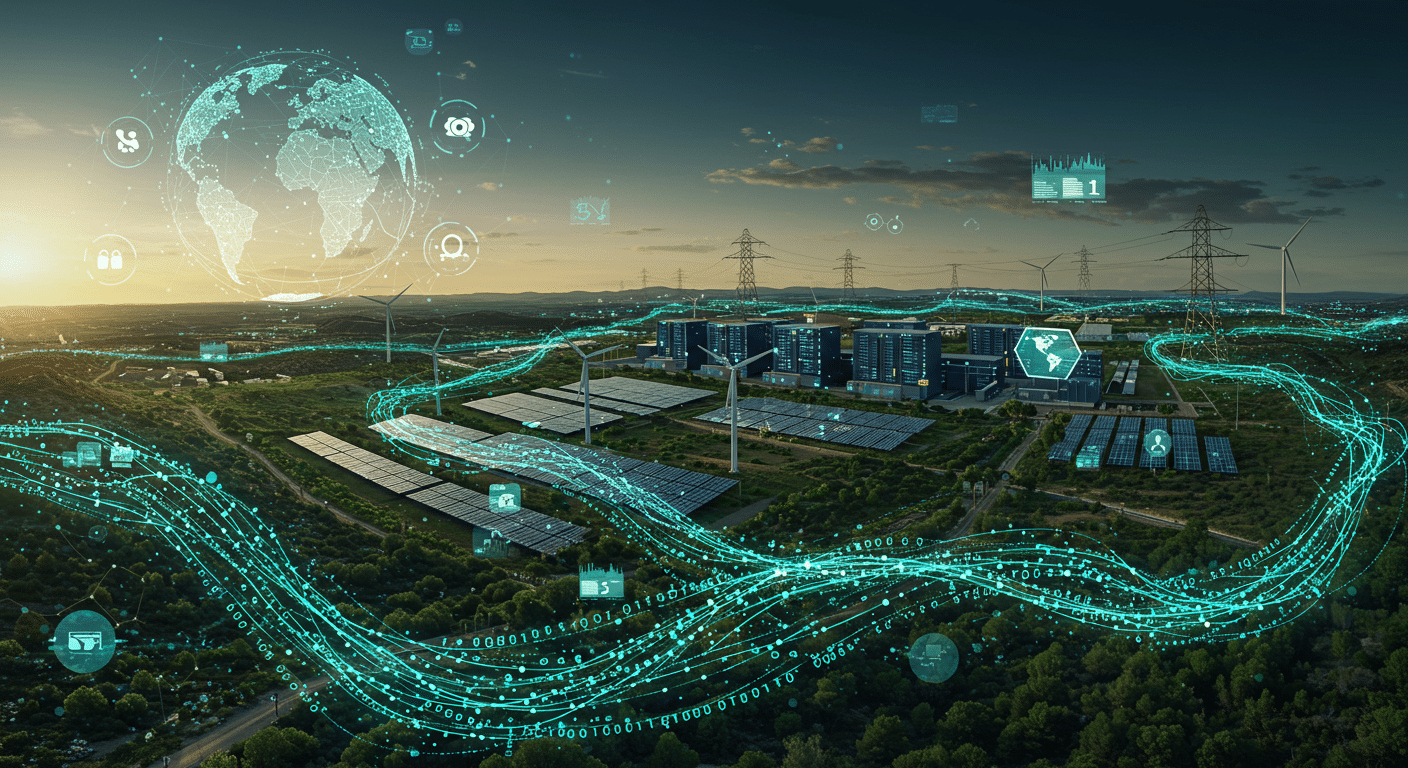
As organizations continue to accelerate digital transformation, the demand for data storage, cloud computing, and connected technologies is growing at an unprecedented rate. While these innovations drive efficiency and business growth, they also create significant environmental challenges. Data centers consume vast amounts of electricity, electronic waste is increasing globally, and businesses are under growing pressure to reduce their carbon footprints.
Sustainable IT infrastructure has emerged as a critical solution for balancing technological advancement with environmental responsibility. By adopting energy-efficient systems, extending hardware lifecycles, and embracing responsible disposal practices, organizations can build future-ready IT environments that support both operational goals and sustainability commitments.
Why Sustainable IT Infrastructure Matters
Modern businesses depend heavily on technology. From cloud platforms and artificial intelligence to remote work solutions and cybersecurity systems, IT infrastructure powers nearly every aspect of operations. However, this reliance comes with environmental costs.
Data centers are among the largest consumers of electricity in the digital economy. According to the U.S. Environmental Protection Agency’s Energy Star program, improving data center efficiency can significantly reduce energy consumption while lowering operational costs. Organizations are increasingly investing in energy-efficient servers, intelligent cooling systems, and optimized workloads to reduce resource consumption.
At the same time, electronic waste remains one of the fastest-growing waste streams worldwide. Millions of computers, servers, networking devices, and storage systems reach the end of their useful lives each year. Without proper management, these assets can contribute to environmental pollution and unnecessary landfill waste.
Key Trends Shaping Sustainable IT Infrastructure
1. Energy-Efficient Data Centers
The future of sustainable IT begins with smarter data centers. Businesses are focusing on reducing power usage through virtualization, server consolidation, and advanced cooling technologies.
Many organizations are also transitioning workloads to cloud providers that prioritize renewable energy sources and energy-efficient operations. These improvements help reduce greenhouse gas emissions while maintaining the performance levels modern businesses require.
For businesses looking to improve efficiency, resources such as the Energy Star Data Center Program provide valuable guidance on energy-saving technologies and best practices.
2. Circular IT Asset Management
Traditional IT procurement often follows a linear model: purchase, use, and dispose. Sustainable organizations are replacing this approach with circular asset management strategies that focus on reuse, refurbishment, and responsible recycling.
Instead of prematurely discarding equipment, businesses are extending hardware lifecycles through upgrades and redeployment programs. Devices that no longer meet operational requirements can often be refurbished and reused elsewhere, reducing both costs and environmental impact.
When equipment finally reaches the end of its lifecycle, responsible IT asset recycling ensures that valuable materials are recovered while sensitive data is securely destroyed. This approach helps organizations meet environmental goals while maintaining compliance with data protection regulations.
3. Sustainable Procurement Policies
Forward-thinking companies are incorporating sustainability into purchasing decisions. Rather than evaluating hardware solely on performance and cost, organizations are considering factors such as energy efficiency, product lifespan, repairability, and recyclability.
Products certified through recognized environmental programs often consume less energy and generate a lower environmental impact throughout their lifecycle. Sustainable procurement also encourages manufacturers to develop greener technologies and adopt responsible production practices.
4. Green Software and Workload Optimization
Sustainability extends beyond hardware. Software design and infrastructure management play a significant role in reducing energy consumption.
Applications that require excessive computing resources increase server utilization and energy demand. Modern development teams are focusing on efficient coding practices, workload optimization, and cloud resource management to reduce unnecessary energy consumption.
Artificial intelligence and automation tools are also helping organizations monitor infrastructure performance, identify inefficiencies, and optimize resource allocation in real time.
The Growing Importance of E-Waste Management
As technology refresh cycles continue, effective e-waste management will become increasingly important. Regulatory agencies and environmental organizations are encouraging businesses to adopt responsible electronics stewardship practices.
The U.S. Environmental Protection Agency highlights the importance of reducing waste through reuse, refurbishment, and recycling initiatives. Businesses that proactively manage retired equipment not only reduce environmental risks but also strengthen their corporate sustainability profiles.
Additional guidance on responsible electronics management can be found through the EPA’s Electronics Stewardship Program.
Business Benefits Beyond Sustainability
While environmental responsibility is a major driver, sustainable IT infrastructure also delivers significant business advantages.
Organizations often experience:
- Lower energy and operational costs
- Improved regulatory compliance
- Reduced risk associated with data disposal
- Stronger brand reputation
- Enhanced investor and stakeholder confidence
- Better alignment with ESG (Environmental, Social, and Governance) objectives
Customers, partners, and investors increasingly favor organizations that demonstrate a commitment to sustainability. Businesses that integrate sustainable IT practices today are positioning themselves for long-term success in a rapidly evolving marketplace.
Looking Ahead
The future of IT infrastructure is not simply about greater computing power or larger data centers. It is about creating technology ecosystems that deliver performance while minimizing environmental impact.
Energy-efficient facilities, circular asset management strategies, responsible recycling programs, and sustainable procurement policies will continue to shape the next generation of IT infrastructure. Organizations that embrace these changes now will be better equipped to meet regulatory requirements, control costs, and support global sustainability goals.
Sustainable IT infrastructure is no longer a niche initiative—it is becoming a fundamental business strategy. As technology continues to evolve, businesses that prioritize sustainability will gain a competitive advantage while contributing to a more responsible digital future.

