


Eye health is often overlooked until noticeable vision problems occur. However, early detection of eye diseases can prevent permanent damage and preserve vision. Conditions such as glaucoma, cataracts, macular degeneration, and diabetic retinopathy often develop silently, showing minimal symptoms in the initial stages. Recognizing early warning signs and seeking timely medical attention is crucial for maintaining long-term eye health.
Regular eye exams, combined with awareness of symptoms, are the most effective ways to catch eye problems before they progress.
Blurred or Distorted Vision
Sudden or gradual blurring of vision is a common sign of several eye conditions. If straight lines appear wavy, or objects seem distorted, it may indicate macular degeneration or retinal problems. Persistent blurry vision should never be ignored, as early treatment can prevent further deterioration.
Difficulty Seeing at Night
Trouble seeing in low-light conditions or frequent night blindness may signal cataracts or vitamin A deficiency. Cataracts cause the lens of the eye to become cloudy, affecting vision clarity. Early diagnosis allows timely intervention, often through corrective surgery.
Eye Pain or Pressure
Unexplained eye pain, pressure, or headaches around the eyes may indicate glaucoma, a condition where increased intraocular pressure damages the optic nerve. Early detection is critical because glaucoma can lead to irreversible vision loss if untreated.
Sudden Floaters or Flashes of Light
Floaters are small specks or lines that appear in your field of vision. While occasional floaters are normal, a sudden increase or flashes of light may indicate retinal detachment or other serious retinal conditions. Immediate medical attention is required in such cases to prevent permanent vision loss.
Redness or Swelling
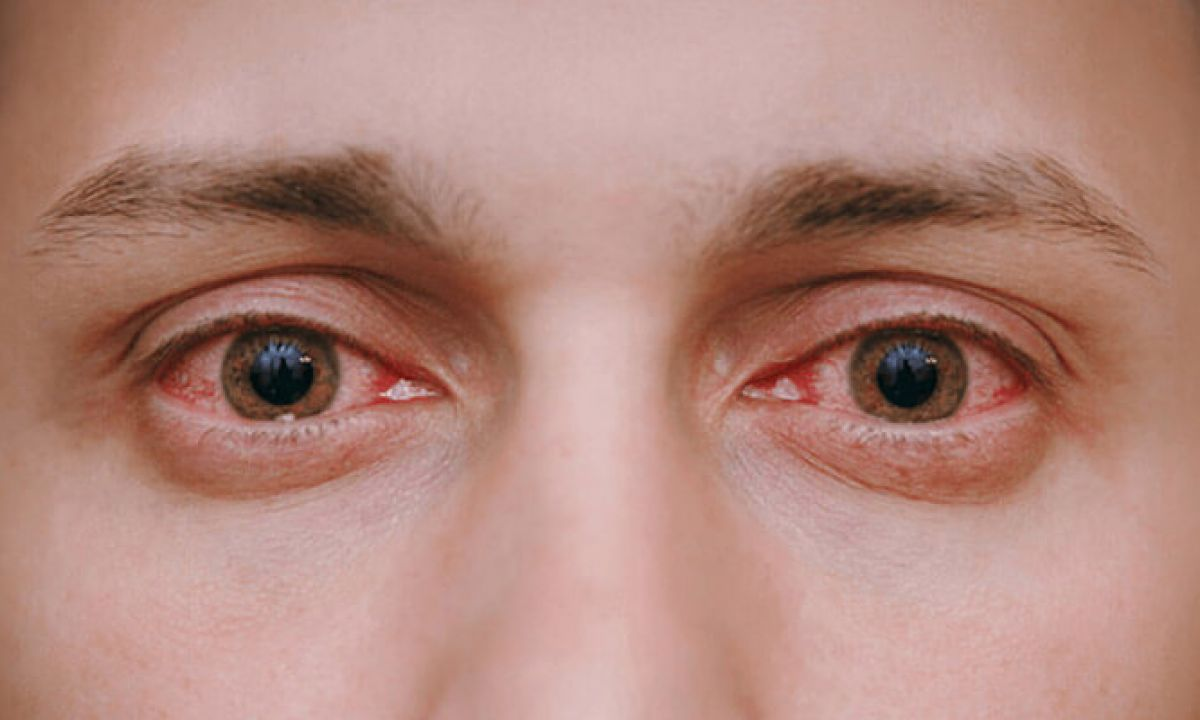
Persistent redness, swelling, or irritation in the eyes may be signs of infections, inflammation, or autoimmune conditions. Conjunctivitis, uveitis, or other eye infections can worsen without treatment. Early evaluation helps prevent complications and protects vision.
Double Vision
Seeing double can result from eye muscle problems, neurological conditions, or lens issues. Sudden onset of double vision should be assessed promptly, as it may signal serious underlying conditions such as stroke or diabetes-related eye disease.
Loss of Peripheral Vision
Gradual loss of side vision may indicate glaucoma, a condition often called the “silent thief of sight.” Regular eye exams are essential for detecting early changes in peripheral vision before significant damage occurs.
Changes in Eye Appearance
Unexplained changes in eye color, drooping eyelids, or asymmetry can be warning signs of various eye disorders. Any noticeable changes should prompt a consultation with an eye care professional.
Conclusion
Early warning signs of serious eye diseases include blurred vision, night vision problems, eye pain, sudden floaters, redness, double vision, peripheral vision loss, and changes in eye appearance. Being vigilant and seeking timely medical attention can prevent permanent damage and maintain clear vision.
Regular eye checkups, protective habits, and awareness of symptoms are the best strategies for long-term eye health. Catching problems early often allows for effective treatment and better visual outcomes.

